
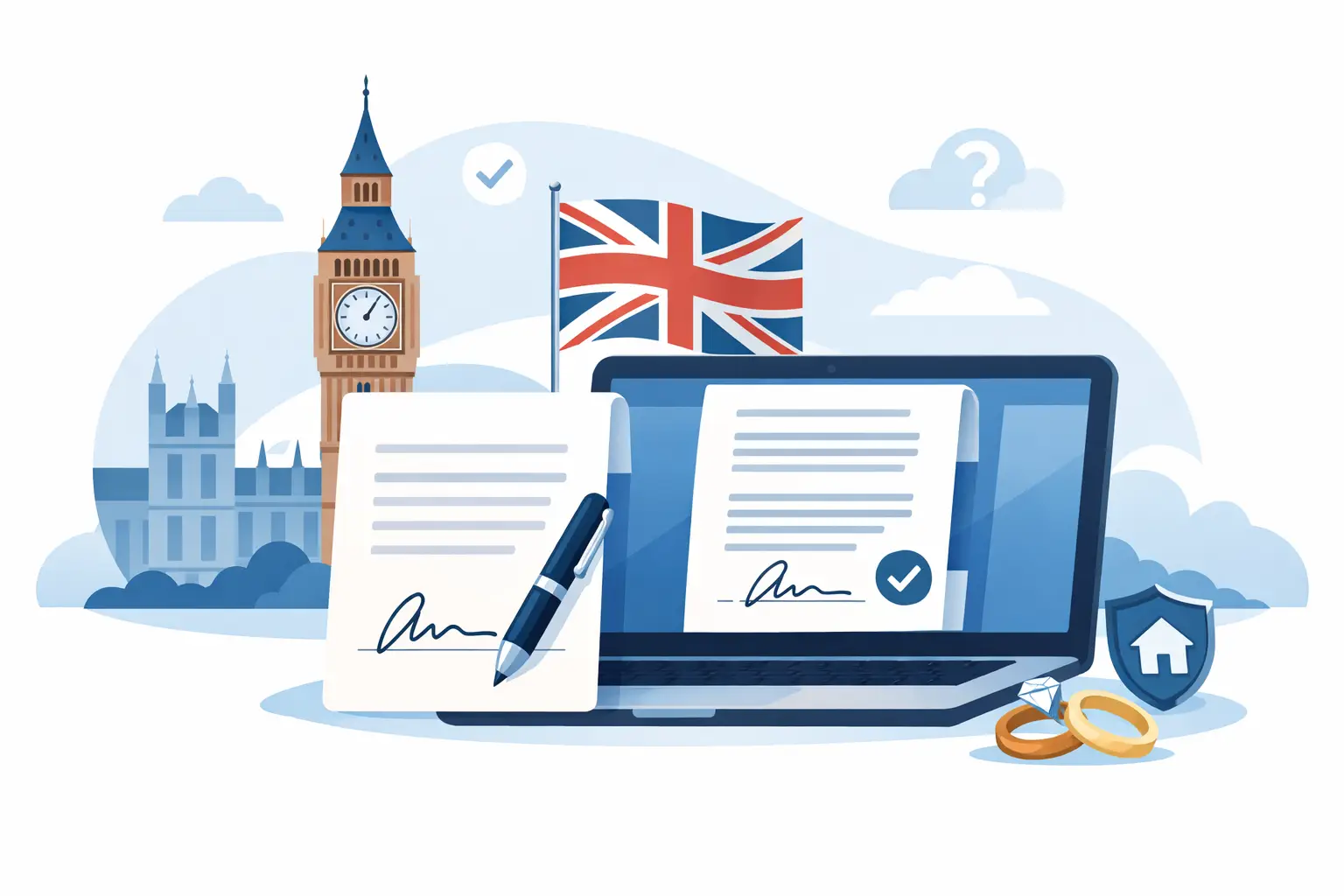
A will is not only for retirement, serious illness or people with substantial wealth. If you own a home, have savings, children, a partner, pets or simply clear views about who should receive your possessions, a single will online UK can give those wishes legal weight. Without one, the rules of intestacy decide who inherits – and those rules may not reflect your family, your relationships or your priorities.
For many people in England and Wales, making an individual will online is a practical way to deal with an important job that has been sitting on the to-do list for too long. The key is understanding what a single will covers, making considered choices and signing it correctly.
What is a single will?
A single will is a will made by one person. It sets out what should happen to your money, property and belongings after you die, and names the people responsible for carrying out your instructions.
You can use a single will whether you are single, married, in a civil partnership, divorced, widowed or cohabiting. It is about whose wishes the document records, rather than your relationship status.
A standard will usually allows you to name executors, leave gifts to beneficiaries, appoint guardians for children under 18 and explain what should happen to the rest of your estate. This remaining portion is often called the residue. You may also include funeral wishes, although these are guidance rather than legally binding instructions.
Making a will online does not mean it is informal. A properly prepared will can be legally valid, but the signing and witnessing stage matters just as much as the words in the document.
Why making a will matters sooner than you think
If you die without a valid will, you are said to have died intestate. Your estate is then shared under fixed legal rules. These rules do not take account of who you may feel deserves help, what promises you have made or how complicated your family life may be.
This can be particularly difficult for cohabiting couples. Living together, even for many years, does not automatically give an unmarried partner the right to inherit under intestacy rules. A will can make clear provision for the person you share your life with.
Parents also have a strong reason to act. A will lets you nominate guardians for children under 18 if both parents have died. The court has the final decision, but your nomination gives important guidance about who you would trust to care for your children.
A will can also prevent smaller but painful disputes. Sentimental items such as jewellery, photographs, collections or a family heirloom can cause upset if nobody knows what you intended. Clear wording is a kindness to the people left behind.
Choosing a single will online UK
An online will service is often suitable when your wishes are straightforward and you are comfortable answering guided questions about your estate and the people in your life. It can be a more affordable route than arranging a traditional solicitor appointment for a standard will, while still prompting you to consider decisions that are easy to overlook.
Before you start, gather the basic information you will need. Think about your property, bank accounts, savings, pensions, investments, insurance policies and valuable possessions. You do not usually need to list every account balance in your will, but you should understand the overall picture before deciding how your estate should be shared.
You will also need full names and addresses for the people you want to appoint or benefit. Choose people you trust, and consider naming replacements. An executor may be unable or unwilling to act when the time comes, so having a reserve executor can avoid unnecessary difficulty.
For a straightforward individual will, English Wills offers a fixed-price single will designed to make these choices easier to work through in plain English.
Executors and beneficiaries are different roles
Your executors deal with the practical work after your death. They locate the will, value the estate, settle debts and distribute what remains to beneficiaries. It can be a demanding role, but an executor can also be a beneficiary. For example, you may appoint your adult daughter as an executor and leave her part of your estate.
Beneficiaries are the people or organisations who receive something under your will. You might leave a fixed cash gift to a friend, a particular item to a relative and the residue of your estate to your children in equal shares.
Try to write with future changes in mind. If a beneficiary dies before you, would you want their share to pass to their children, or be divided between the surviving beneficiaries? A well-structured will can address this rather than leaving uncertainty.
Property needs a closer look
If you own a property with someone else, check how it is held. Joint tenants usually own the property together, and the deceased owner’s share passes automatically to the survivor. Tenants in common each own a defined share, which can be left by will.
This distinction can affect whether your will controls your share of the home. It is worth checking the title arrangements rather than assuming that joint ownership works in one particular way.
How to sign your online will properly
This is the stage where a good will can be undermined by a simple mistake. In England and Wales, a will must be in writing and signed by you in the presence of two witnesses, who are both present at the same time. The witnesses must then sign the will in your presence.
In practical terms, arrange for two suitable adults to be with you. Sign the will while they watch, then ask each witness to sign while you are there. Use the same occasion and follow the instructions provided with your will carefully.
Your witnesses should not be beneficiaries of the will, or the husband, wife or civil partner of a beneficiary. If they are, the gift to that person may fail, even though the rest of the will may remain valid. Choose independent people, such as neighbours, friends or colleagues, who are over 18 and understand they are witnessing your signature.
Do not add handwritten notes, cross out clauses or attach extra pages after signing unless you have taken proper advice. Alterations can create uncertainty and may affect validity. If your circumstances change significantly, it is often safer to make a new will that clearly revokes the old one.
When a single will may not be enough
A single will works well for many people, but it is not the right answer in every situation. If you are married or in a civil partnership and both of you want similar arrangements, mirror wills may be more appropriate. These are two separate wills that broadly reflect each other’s wishes, often leaving everything to the surviving partner and then to children.
More complex circumstances may need tailored legal advice. That can include a blended family, a dependent who is vulnerable or receiving means-tested benefits, a business, overseas assets, a disputed relationship, or a wish to protect a share of a property for children from an earlier relationship. Trusts and more detailed estate planning can be helpful in these cases, but they need careful drafting and should not be added simply because they sound protective.
It also depends on the size and nature of your estate. A straightforward will can still be the right starting point if you have a home and savings. Complexity is about the decisions required, not just the value of your belongings.
Store it safely and review it regularly
A signed will is only useful if it can be found. Keep the original somewhere secure and tell your executors where it is stored. Avoid leaving it in a place that could be damaged by fire, damp or a house move. A suitable will-storage service can provide extra reassurance, particularly if you do not want the only original kept at home.
Review your will after major life events. Marriage or civil partnership can revoke an existing will unless it was made in contemplation of that marriage. Divorce, a new child, buying a property, an executor’s death or a significant change in family relationships are all reasons to check that your will still says what you want it to say.
Making a will is an act of care, not a prediction of the worst. Set aside an hour, make the decisions only you can make, and give the people closest to you the clarity they would need if life takes an unexpected turn.